In an increasingly interconnected world, the ability to communicate across cultures and languages is more important than ever. University language immersion programs serve as a powerful tool for students eager to enhance their linguistic abilities while gaining firsthand experience of the cultures that shape those languages. These programs offer a unique blend of academic instruction and cultural engagement, providing a comprehensive framework for language acquisition. This article delves into the structure, benefits, challenges, and practical aspects of university language immersion programs, highlighting their significance in today’s global society.
What Are Language Immersion Programs?
Language immersion programs are educational initiatives that prioritize language learning through immersive experiences. Unlike traditional language courses that often rely on textbooks and classroom instruction, immersion programs immerse students in environments where the target language is the primary mode of communication. This approach facilitates organic language acquisition by integrating language practice with real-life experiences.
Students participating in immersion programs engage with the language through daily interactions, cultural activities, and academic coursework, allowing them to internalize vocabulary and grammar in meaningful contexts. The goal is to create a holistic learning experience that extends beyond the classroom walls.
Types of University Language Immersion Programs
Language immersion programs can be categorized into several types, each catering to different student needs and goals:
1. Study Abroad Programs
Study abroad programs are among the most popular forms of language immersion. Students travel to a country where the target language is spoken, enrolling in local universities or language schools. This immersive experience allows them to interact with native speakers, explore local customs, and practice the language in authentic settings. The cultural exposure enriches the learning process, making language acquisition more engaging and effective.
2. Domestic Immersion Programs
For those unable to travel abroad, many universities offer domestic immersion programs. These initiatives may involve intensive language courses combined with cultural events and community engagement within the university or local area. Students may participate in conversation groups, cultural workshops, or activities that require the use of the target language, creating an immersive experience without leaving their home country.
3. Thematic Immersion Programs
Thematic immersion programs combine language learning with specific academic or professional themes, such as business, environmental science, or the arts. Students study the language while engaging in coursework related to their thematic focus, allowing them to acquire language skills relevant to their future careers. For instance, a student in a French immersion program focused on culinary arts might participate in cooking classes conducted entirely in French.
Benefits of Language Immersion Programs
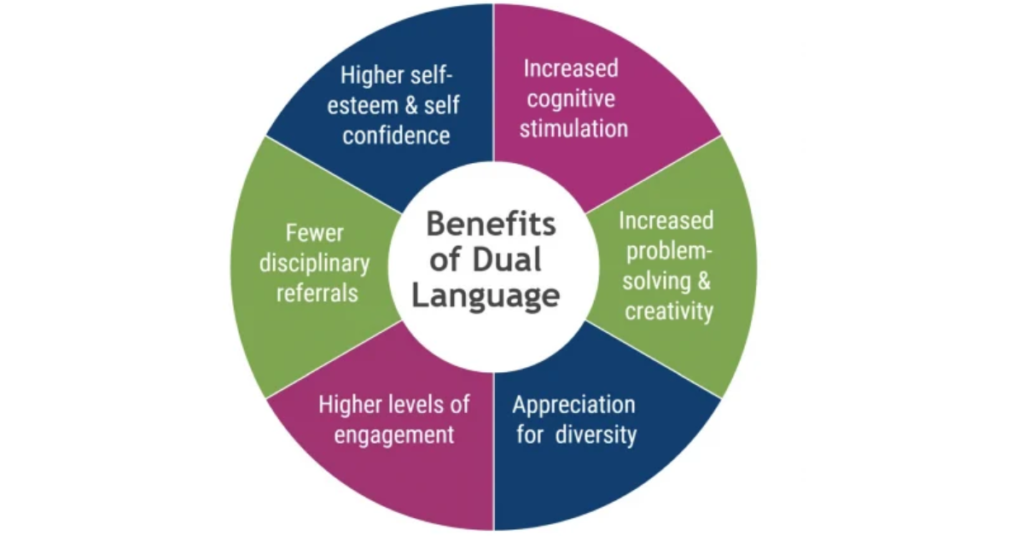
Participating in university language immersion programs offers a multitude of advantages that extend beyond language proficiency:
1. Accelerated Language Acquisition
One of the primary benefits of immersion is the rapid improvement in language skills. Constant exposure to the language in real-world situations helps students develop fluency and confidence. Unlike traditional learning methods, immersion encourages students to think and communicate in the target language, leading to a deeper understanding of linguistic nuances and idiomatic expressions.
2. Cultural Immersion
Language and culture are inseparable. Immersion programs provide students with the opportunity to engage with cultural practices, traditions, and values that shape the language they are learning. This cultural exposure enhances students’ understanding of context, leading to more meaningful and nuanced communication.
3. Personal Growth and Independence
Living and studying in a foreign environment fosters personal development. Students often face challenges that require them to adapt and problem-solve, leading to increased resilience and self-confidence. The experience of navigating a new culture encourages independence and broadens students’ perspectives on global issues.
4. Networking and Community Engagement
Immersion programs facilitate connections with local communities and fellow students from diverse backgrounds. These interactions create networking opportunities that can be beneficial both personally and professionally. Engaging with native speakers and local culture deepens students’ understanding of the language in practical contexts.
Challenges of Language Immersion Programs
While the benefits are significant, language immersion programs also come with challenges that students should be prepared for:
1. Language Proficiency Barriers
Students with limited proficiency may initially struggle to communicate effectively in an immersive environment. This can lead to feelings of frustration and self-doubt. However, overcoming these initial hurdles is often part of the learning process, as immersion accelerates language development.
2. Cultural Adjustment
Adjusting to a new culture can be both exciting and overwhelming. Students may experience culture shock, which can manifest as homesickness or discomfort with unfamiliar customs and social norms. Being aware of this possibility and approaching the experience with an open mind can help students navigate these challenges.
3. Financial Considerations
Financial barriers can also impact students’ ability to participate in immersion programs, especially study abroad options. Costs can include tuition, travel expenses, accommodation, and daily living expenses. It is crucial for students to explore available financial aid, scholarships, or grants to help offset these costs.
How to Choose the Right Language Immersion Program
Selecting the right language immersion program requires careful consideration of several factors:
1. Language Goals
Students should clearly define their language learning objectives. Are they looking to achieve conversational fluency, academic proficiency, or professional competency? Understanding their goals will help guide them in choosing a program that aligns with their aspirations.
2. Program Structure
Different programs offer various structures in terms of course intensity, duration, and support services. Students should assess which format suits their learning style and schedule. Some may prefer a full semester abroad, while others may benefit from shorter, intensive programs.
3. Cultural Integration Opportunities
Investigating how a program incorporates cultural experiences is crucial. Programs that emphasize community engagement, cultural activities, and interaction with native speakers can significantly enhance the immersion experience.
4. Support Services
Inquiring about the support services provided by the program, such as language tutoring, counseling, and academic advising, is essential. Robust support systems can help students navigate challenges and maximize their immersion experience.
Conclusion
University language immersion programs present a unique and transformative opportunity for students seeking to improve their language skills while gaining cultural insights. Through immersive experiences, students can achieve enhanced linguistic proficiency, develop a deeper understanding of diverse cultures, and foster personal growth.
Although challenges may arise, careful preparation and program selection can lead to rewarding educational experiences. As the world continues to evolve, the importance of language immersion programs in fostering global communication and understanding will only grow. By embracing these opportunities, students embark on a journey that enriches their academic pursuits and prepares them for success in an increasingly globalized society. Through immersion, students not only learn a language—they gain the ability to navigate and appreciate the rich tapestry of human experience that language represents.