University life is a period of immense growth and learning, but it also brings about significant challenges for students. The pressures of academic performance, financial responsibilities, and social adjustments can often lead to mental health concerns. To support student well-being, universities have increasingly prioritized mental health services, providing essential resources for students to manage stress, anxiety, depression, and other mental health challenges.
This article delves into the importance of university mental health services, examining the types of support available, the mental health issues students commonly face, and the role of faculty and administrators in fostering a supportive environment.
The Importance of Mental Health Services for Students
The transition to university life marks a significant shift for many students. Balancing academic workloads, maintaining relationships, and coping with financial pressures can lead to overwhelming stress. According to the World Health Organization (WHO), nearly 20% of university students globally suffer from some form of mental health condition, with anxiety and depression being the most common.
The availability of mental health services is crucial for addressing these concerns. Students who have access to counseling, peer support, and crisis intervention are more likely to succeed academically and maintain emotional well-being. University mental health services serve as a lifeline, offering students the tools and support they need to navigate both academic and personal challenges.
Key Mental Health Challenges Faced by University Students
While university life brings opportunities for growth, it also exposes students to unique stressors that can impact their mental health. Understanding these challenges is essential for addressing them effectively.
- Anxiety
Many students experience anxiety due to academic pressure, fear of failure, and concerns about future job prospects. The need to meet high expectations, both self-imposed and external, can exacerbate feelings of inadequacy and stress. - Depression
Depression is prevalent among university students, often triggered by social isolation, homesickness, or academic setbacks. The combination of new environments and changing routines can leave students feeling disconnected and hopeless. - Academic Burnout
The intense workload and pressure to maintain high academic performance can lead to burnout. Students may experience exhaustion, decreased motivation, and a sense of being overwhelmed by their responsibilities. - Substance Abuse
Some students turn to alcohol or drugs to cope with stress and anxiety. This coping mechanism can spiral into dependency, worsening their mental health and affecting academic performance. - Social Isolation
Despite being surrounded by peers, many students report feelings of loneliness. This can be exacerbated by the pressure to fit in or the difficulty of forming meaningful relationships in a competitive environment.
Types of Mental Health Services Offered by Universities
To address the diverse needs of students, universities provide a wide range of mental health services. These services aim to be accessible, inclusive, and confidential, ensuring that all students feel supported.
- Counseling and Therapy
Counseling centers on campus provide individual and group therapy sessions. These are typically led by licensed psychologists or counselors who help students cope with issues such as stress, anxiety, and relationship problems. Counseling services often offer short-term and crisis counseling, allowing students to seek help when they need it most. - Peer Support Networks
Many universities have established peer support programs, where students are trained to assist their peers with mental health concerns. Peer mentors can provide a listening ear, share coping strategies, and guide students toward professional services when needed. - Workshops and Wellness Programs
Universities frequently offer workshops focused on mental health topics, such as stress management, mindfulness, and resilience-building. These workshops provide students with practical tools to enhance their mental well-being while promoting a healthy work-life balance. - Online Mental Health Resources
In addition to in-person services, universities have expanded their mental health support to include online resources. Virtual counseling, teletherapy, and self-help apps are now common tools that allow students to access mental health support remotely, making services more convenient for those with busy schedules. - Crisis Hotlines
For students experiencing mental health emergencies, universities often provide 24-hour crisis hotlines. These hotlines offer immediate access to trained professionals who can assist students in distress and connect them to appropriate resources for further support.
The Role of Faculty and Administrators in Supporting Mental Health
While mental health professionals on campus provide direct support, faculty members and administrators play a crucial role in fostering a culture of mental well-being. Faculty members who regularly interact with students can help by recognizing early signs of distress, such as changes in behavior, declining academic performance, or withdrawal from social activities. By offering support and referrals to campus mental health services, faculty can intervene before a student’s mental health deteriorates further.
Administrators are responsible for creating policies that promote mental health on campus. This includes ensuring that mental health services are adequately funded and accessible to all students, as well as launching awareness campaigns to reduce stigma around seeking help. By promoting open dialogue about mental health, administrators help cultivate an environment where students feel comfortable addressing their mental health needs.
Reducing the Stigma Around Mental Health
One of the biggest barriers to students accessing mental health services is the stigma associated with mental illness. Many students may feel ashamed to seek help, fearing judgment or being perceived as weak. This stigma can prevent students from reaching out when they need support the most.
To counteract this, universities must work actively to normalize mental health discussions. Mental health awareness campaigns, peer advocacy groups, and inclusive language can all help reduce the stigma. When students see that mental health is openly discussed and supported, they are more likely to seek help when needed.
Proactive Steps Students Can Take to Maintain Mental Health
While mental health services are essential, students can also take proactive steps to maintain their mental health during their time at university. Here are a few strategies that can help:
- Time Management
Poor time management can contribute to increased stress levels. Students should prioritize tasks, break larger assignments into smaller steps, and avoid procrastination. Developing strong organizational habits can alleviate some of the pressure associated with academic deadlines. - Self-Care Practices
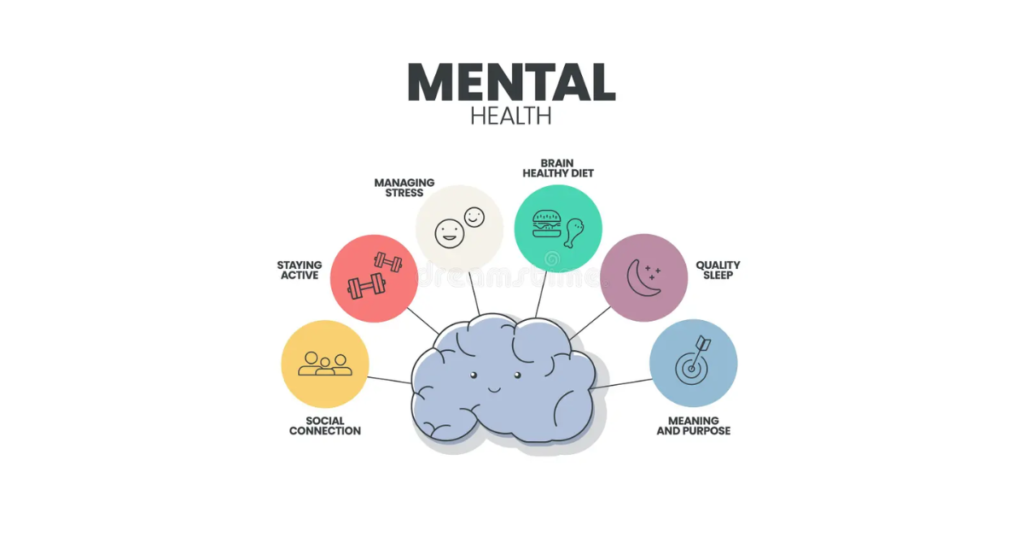
Engaging in regular self-care is crucial for mental health. Students should ensure they get adequate sleep, eat balanced meals, exercise regularly, and take breaks to recharge. Incorporating activities that bring joy and relaxation can prevent burnout and improve mood. - Seek Support Early
It’s important for students to seek support as soon as they notice signs of mental distress. Whether it’s reaching out to a trusted friend, a family member, or a mental health professional, addressing concerns early can prevent more severe issues down the line. - Build a Support Network
Developing meaningful connections with peers, professors, and university staff can create a support network. Having people to talk to in times of need can significantly reduce feelings of isolation and provide emotional support.
Conclusion
University mental health services are a vital component of student well-being, providing essential support for those navigating the complexities of academic and personal life. With a range of services including counseling, peer support, workshops, and online resources, universities are equipped to help students manage their mental health effectively.
For these services to be truly effective, universities must continue to prioritize mental health by creating supportive environments where students feel comfortable seeking help. Faculty and administrators play an integral role in reducing stigma and encouraging mental health awareness, ensuring that mental health is treated as a critical aspect of student success.
As the mental health needs of students continue to evolve, universities must remain committed to providing the resources and support necessary for students to thrive—both academically and emotionally.