On-campus employment is a vital resource for many university students, offering not only a means to support themselves financially but also an opportunity to develop essential skills and experience. With a wide array of job types and work environments, students can find employment that aligns with their academic schedules and career aspirations. In this article, we will examine the types of jobs available, eligibility criteria, the key benefits of working on campus, and strategies for balancing work with academic commitments.
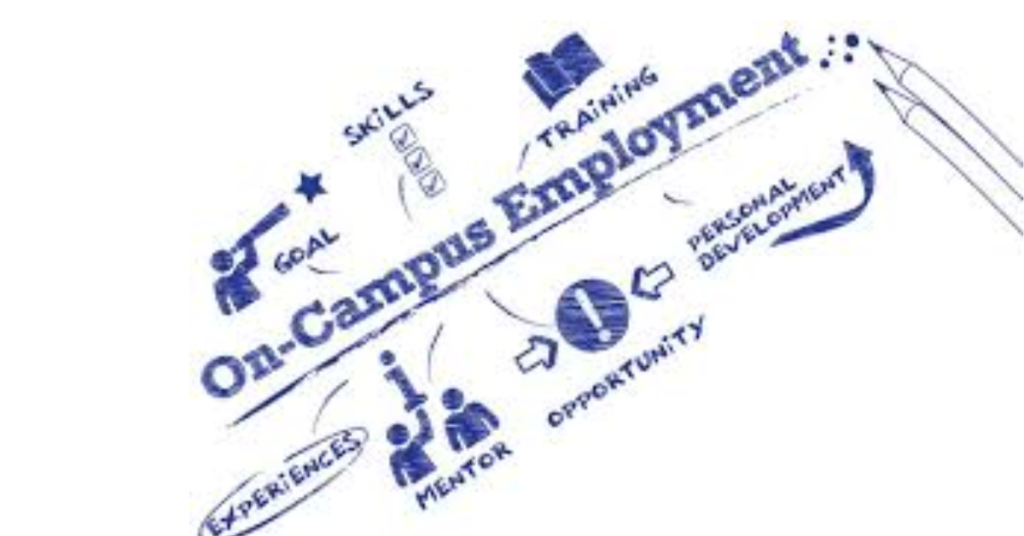
Types of On-Campus Jobs
University campuses provide a variety of job opportunities for students, often categorized into three primary groups: administrative, academic, and service-oriented roles. Each type of job offers unique benefits, depending on a student’s goals and available time.
1. Administrative Roles:
Administrative jobs are widespread across universities, with positions available in departments such as admissions, student services, and human resources. Duties often include managing paperwork, assisting with event coordination, answering phones, and providing customer service. These roles are ideal for students seeking to improve organizational, communication, and office management skills. Administrative jobs also tend to offer consistent hours and can be particularly appealing for students who prefer structured work environments.
2. Academic Positions (Research and Teaching Assistants):
Research assistant (RA) and teaching assistant (TA) roles are typically reserved for students with strong academic records or specialized knowledge in a particular field. RAs work closely with professors on research projects, performing tasks such as data collection, literature reviews, and lab work. TAs, on the other hand, assist with teaching duties, which may include grading, leading discussion sections, or offering tutoring services. These positions are especially beneficial for graduate students, as they provide hands-on experience in their field and often come with tuition reductions or stipends.
3. Service-Oriented Jobs:
Service-oriented jobs are another common form of on-campus employment. These roles can be found in dining halls, libraries, recreational facilities, and campus stores. Students in these positions may work as baristas, cashiers, gym attendants, or help desk staff. Service jobs offer flexible hours and are ideal for students who need evening or weekend shifts. They also provide valuable customer service and teamwork experience, which can be helpful for future job opportunities outside of academia.
Eligibility Requirements for On-Campus Employment
While most students are eligible for on-campus employment, there are specific criteria and regulations depending on the student’s status and the type of job they are applying for.
1. Domestic Students:
In most cases, domestic students have relatively straightforward eligibility for on-campus jobs. Full-time students are typically allowed to work up to a certain number of hours per week—usually 10 to 20 hours during the academic term. For certain positions, such as work-study jobs, students may need to demonstrate financial need by completing financial aid applications like the FAFSA (Free Application for Federal Student Aid).
2. International Students:
International students often face additional restrictions when seeking on-campus employment. Most countries, including the United States, allow international students to work on campus as long as they adhere to specific visa requirements. For example, F-1 visa holders in the U.S. are allowed to work up to 20 hours per week while classes are in session and full-time during breaks. However, international students must remain aware of visa regulations and obtain approval from their university’s international student office before starting a job.
3. Work-Study Programs:
Work-study programs are a form of financial aid that enables eligible students to work part-time while attending school. These jobs are typically funded by the government and are offered to students who demonstrate financial need. Work-study jobs can be found in a variety of departments across campus and are often highly flexible to accommodate a student’s class schedule. While these jobs are reserved for students with financial aid eligibility, they provide valuable work experience and help reduce the financial burden of tuition and living expenses.
Benefits of On-Campus Employment
Working on campus offers numerous advantages, not only in terms of financial relief but also in fostering personal and professional development. Here are some of the key benefits students can enjoy through on-campus employment:
1. Financial Independence:
For many students, the primary motivation for seeking on-campus employment is to gain financial independence. Earnings from on-campus jobs can be used to cover tuition, books, and daily living expenses. For those in work-study programs, income from these jobs is a critical part of their financial aid package, helping to reduce student loan reliance and debt accumulation.
2. Convenient Location and Flexible Scheduling:
On-campus jobs are uniquely convenient, as they are located within the university grounds, allowing students to easily transition between work, classes, and study time. This proximity not only reduces transportation costs but also saves valuable time. Additionally, on-campus employers understand the academic demands students face and are typically more flexible with scheduling, allowing students to balance their work hours with exams, study groups, and other academic commitments.
3. Development of Transferable Skills:
On-campus employment offers more than just a paycheck—it’s an opportunity for students to develop skills that will be useful in their future careers. Whether it’s learning to manage time effectively, developing customer service expertise, or mastering research techniques, students can acquire a range of transferable skills that are highly valued in the professional world. Research and teaching assistantships, in particular, allow students to gain experience in their academic field, positioning them for future academic or industry opportunities.
4. Building Professional Networks:
Another significant benefit of on-campus employment is the ability to build professional relationships with faculty, staff, and peers. Whether working alongside professors in a research capacity or collaborating with staff in administrative departments, students have the chance to cultivate valuable connections that can lead to future internships, research collaborations, or job opportunities. These relationships often serve as a foundation for strong professional networks after graduation.
5. Time Management and Responsibility:
Balancing a job with academic responsibilities forces students to hone their time management skills. Successfully juggling work, coursework, and extracurricular activities requires careful planning and prioritization. This experience not only prepares students for the demands of future careers but also instills a sense of responsibility and discipline that is essential for success in both academic and professional settings.
Challenges and How to Navigate Them
Despite the benefits of on-campus employment, students may encounter challenges, especially when it comes to balancing work and academic responsibilities. To navigate these difficulties effectively, consider the following strategies:
- Set realistic goals: Understand your academic workload before committing to a job. Make sure your job doesn’t overwhelm your study time and overall well-being.
- Utilize campus resources: Many universities offer resources such as academic advising, counseling services, and time management workshops to help students maintain balance.
- Communicate with employers: On-campus employers are generally more understanding of academic pressures. If you need to reduce your hours during exam periods or have a special project to focus on, be sure to communicate your needs with your employer.
Conclusion
University on-campus employment is an invaluable opportunity for students looking to earn money, gain experience, and build professional networks without sacrificing their academic progress. Whether you are seeking administrative experience, aiming to deepen your research knowledge, or simply looking for a flexible job to fit around your studies, on-campus employment offers a range of benefits that contribute to both personal and professional growth. By understanding the eligibility requirements, exploring the variety of available positions, and leveraging the resources at hand, students can make the most of their time working on campus, ensuring a rewarding and enriching university experience.