Embarking on the university journey is a significant milestone in a young person’s life, marking a transition into adulthood and independence. This phase is often filled with excitement, challenges, and countless opportunities for personal growth. However, to navigate this new landscape successfully, students need to develop a range of life skills beyond academic knowledge. This article explores the essential life skills that every university student should cultivate to ensure a fulfilling and successful experience.
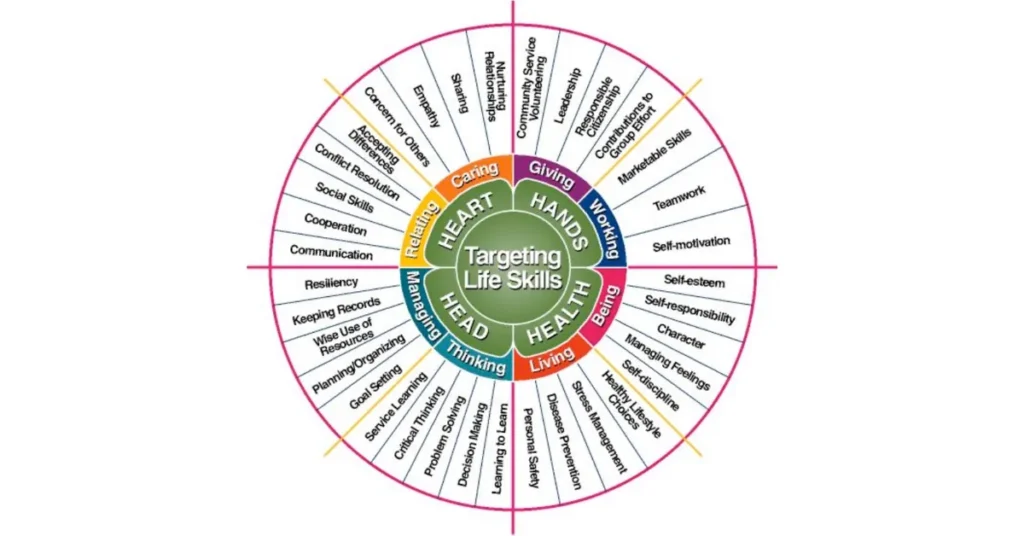
The Importance of Life Skills
Life skills are the capabilities that help individuals cope with the demands and challenges of everyday life. For university students, mastering these skills is critical for managing academic responsibilities, fostering personal relationships, and preparing for future careers. Developing life skills not only enhances academic performance but also builds confidence and resilience.
Essential Life Skills for University Success
1. Time Management
Effective time management is crucial for balancing classes, assignments, and extracurricular activities.
- Prioritize Tasks: Identify and rank tasks based on deadlines and importance to focus on what matters most.
- Use Planning Tools: Implement planners or digital apps to keep track of assignments, deadlines, and appointments.
- Create a Study Schedule: Designate specific times for studying to establish consistency and enhance productivity.
2. Effective Communication
Strong communication skills are essential for successful interactions in both academic and social settings.
- Refine Verbal Skills: Engage in public speaking opportunities to boost confidence in expressing ideas clearly.
- Develop Writing Skills: Learn to write effectively for different purposes, including essays, emails, and reports.
- Practice Active Listening: Focus on truly hearing what others say to foster better understanding and collaboration.
3. Financial Literacy
Understanding financial concepts is vital for managing personal finances and preparing for future responsibilities.
- Establish a Budget: Track income and expenses to maintain control over finances and avoid debt.
- Learn About Savings and Investments: Educate yourself on savings accounts, investment options, and financial planning for the future.
- Manage Credit Wisely: Understand the implications of credit cards and loans to make informed financial decisions.
4. Critical Thinking and Problem-Solving
Critical thinking enables students to analyze information and solve problems effectively.
- Encourage Inquiry: Approach problems with curiosity, asking questions to uncover underlying issues and explore solutions.
- Engage in Group Projects: Collaborate with peers on assignments to develop problem-solving skills through different perspectives.
- Reflect on Decisions: After tackling a problem, evaluate the effectiveness of your solution and consider improvements for future challenges.
5. Resilience and Adaptability
The ability to adapt to changing circumstances and recover from setbacks is essential for success in university.
- Embrace a Growth Mindset: View challenges as opportunities for learning and personal growth rather than obstacles.
- Build a Support Network: Surround yourself with friends, mentors, and resources that can provide support during tough times.
- Learn from Failure: Analyze setbacks to extract valuable lessons and apply them to future endeavors.
6. Networking Skills
Building a strong professional network can significantly enhance career opportunities.
- Engage in Campus Activities: Join clubs and organizations to meet new people and develop connections within your field of interest.
- Attend Workshops and Events: Participate in networking events, guest lectures, and career fairs to connect with industry professionals.
- Utilize Online Platforms: Leverage social media, particularly LinkedIn, to maintain connections and explore job opportunities.
7. Self-Care and Mental Health
Prioritizing self-care is crucial for maintaining overall well-being throughout university life.
- Establish a Healthy Routine: Incorporate regular physical activity, balanced nutrition, and sufficient sleep into your daily life.
- Practice Mindfulness: Engage in mindfulness or relaxation techniques to manage stress and maintain focus.
- Seek Support: Don’t hesitate to reach out to counseling services or support groups when feeling overwhelmed.
Conclusion
Developing essential life skills is vital for university students seeking to maximize their academic and personal experiences. By focusing on time management, effective communication, financial literacy, critical thinking, resilience, networking, and self-care, students can enhance their ability to navigate the challenges of university life successfully. These skills not only prepare students for academic success but also equip them for a fulfilling life beyond the classroom.