Alumni mentorship represents a profound avenue for growth and development, fostering vital connections between current students and graduates of a university. As educational institutions increasingly recognize the impact of mentorship, they are implementing structured programs that facilitate meaningful interactions between students and alumni. This article delves into the significance, advantages, challenges, and effective strategies for developing successful alumni mentorship programs, providing an extensive resource for universities, students, and alumni.
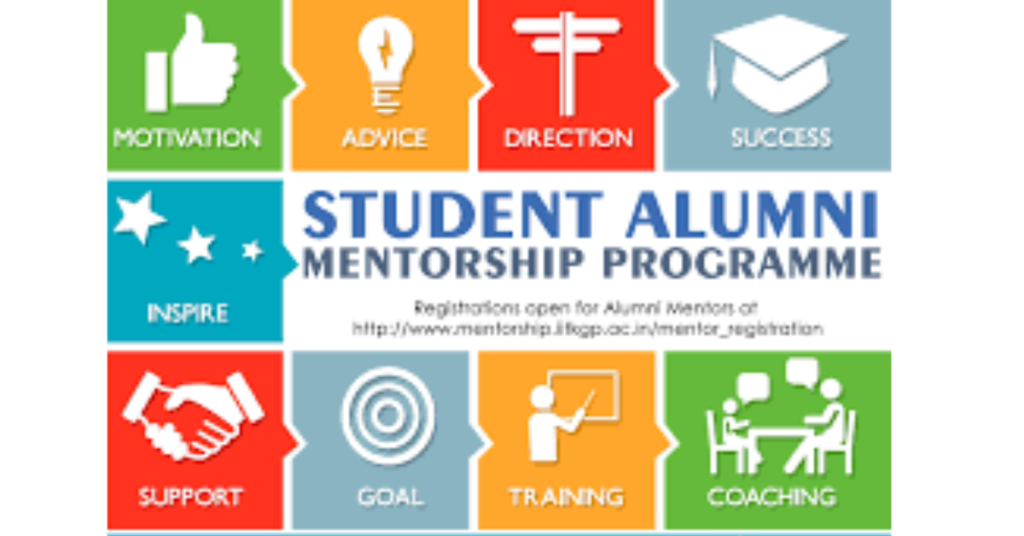
Defining Alumni Mentorship
Alumni mentorship involves a structured relationship where current students connect with alumni from their university. This partnership enables students to gain practical insights into their respective fields, receive tailored guidance regarding career choices, and cultivate valuable professional networks. For alumni, mentoring serves as a way to contribute to their alma mater, sharing their experiences and insights with the next generation of professionals.
The Significance of Alumni Mentorship
- Connecting Academia to Industry: Alumni mentorship is essential for bridging the divide between theoretical knowledge and real-world application. Students often struggle to translate their academic learning into practical skills required in the workforce. Mentors provide valuable industry insights that help students navigate this transition effectively.
- Expanding Professional Networks: Building a robust professional network is critical for career success. Alumni can facilitate connections between students and industry professionals, informing them about job openings and providing recommendations. This network can significantly enhance students’ employability upon graduation.
- Enhancing Personal Development: Engaging with alumni not only contributes to professional growth but also fosters personal development. Mentors often impart crucial life skills, encouraging students to develop qualities such as leadership, communication, and adaptability, which are vital in today’s competitive job market.
- Boosting Confidence: Entering the workforce can be daunting for many students. Mentorship provides a source of encouragement, helping students build confidence in their abilities. Mentors can assist in setting achievable goals and inspire students to pursue their passions.
- Diverse Perspectives: Alumni come from varied backgrounds and experiences, offering students diverse viewpoints and insights. This exposure can be particularly valuable in a globalized workforce, where understanding different perspectives is crucial for success.
Benefits of Alumni Mentorship for Students and Alumni
For Students
- Targeted Guidance: Students receive personalized support tailored to their unique goals and aspirations. Mentors can help identify strengths and weaknesses, offering constructive feedback and advice.
- Informed Career Choices: Alumni can share their experiences in various career paths, guiding students in making informed decisions about internships, job offers, and further education.
- Emotional Support: The mentorship relationship provides a source of emotional support during challenging periods, such as job searches or academic pressures, fostering resilience and determination.
For Alumni
- Contributing to the Community: Mentoring provides alumni with the opportunity to give back to their university community, reinforcing their connection to their alma mater and helping future generations succeed.
- Personal Fulfillment: Many alumni find personal satisfaction in mentoring, reflecting on their own journeys and the challenges they faced while encouraging students to overcome obstacles.
- Expanding Professional Networks: Mentoring can help alumni broaden their professional connections by engaging with other alumni and students, potentially leading to new opportunities.
Challenges in Alumni Mentorship
Despite the clear benefits of alumni mentorship, several challenges can hinder the effectiveness of these programs.
1. Engagement and Involvement
Encouraging alumni to participate actively in mentorship programs can be a significant challenge. Many alumni are busy with their careers and personal lives, making it difficult to dedicate time to mentoring. Universities need to create flexible programs that accommodate varying schedules and commitments.
2. Matching Students and Mentors
Finding suitable mentors for each student is often a complex task. A mismatch in expectations or communication styles can hinder the mentorship experience. Universities should implement thorough matching processes that consider students’ goals, interests, and preferred mentoring styles.
3. Training and Resources
Both students and alumni may require training to maximize the benefits of the mentorship relationship. Providing workshops, resources, or orientation sessions can help participants understand their roles and set realistic expectations for their interactions.
4. Measuring Effectiveness
Evaluating the success of alumni mentorship programs can be challenging. Universities need to establish clear metrics to assess the program’s impact on student success, such as job placement rates, alumni satisfaction, and engagement levels.
Best Practices for Effective Alumni Mentorship Programs
To create successful alumni mentorship programs, universities can implement the following best practices:
1. Establish Clear Objectives
Define specific goals for the mentorship program. Whether aiming to increase job placements for students or enhance alumni engagement, having clear objectives will guide the program’s development and assessment.
2. Cultivate a Supportive Culture
Fostering a culture that values mentorship is essential. Universities should promote the importance of mentorship through events, workshops, and communication campaigns, highlighting success stories to inspire participation.
3. Embrace Technology
Utilize technology to facilitate connections between students and alumni. Online platforms can streamline the matching process, enable virtual meetings, and provide resources for participants. Implementing a dedicated mentorship portal can enhance communication and accessibility.
4. Provide Training and Resources
Offer training sessions for both students and mentors. Workshops on effective communication, goal setting, and best practices for building successful mentorship relationships can empower participants to make the most of their interactions.
5. Implement Feedback Mechanisms
Create avenues for feedback from participants. Regular assessments of the program’s effectiveness, through surveys or focus groups, can provide valuable insights into its strengths and areas for improvement.
6. Celebrate Achievements
Recognize and celebrate the accomplishments of both mentors and mentees. Hosting events or awards can foster a sense of community and encourage ongoing participation in the mentorship program.
Conclusion
University alumni mentorship programs are powerful vehicles for professional development, offering invaluable resources for students while enabling alumni to give back to their communities. As educational institutions evolve, cultivating these mentorship relationships will be crucial in preparing students for the complexities of the modern workforce. By embracing best practices, addressing challenges, and promoting a culture of mentorship, universities can forge lasting connections that benefit both current students and alumni, ultimately enriching the entire academic community.