The journey to higher education can be particularly challenging for first-generation college students. These individuals, often the first in their families to attend college, encounter a range of obstacles that can hinder their academic pursuits. Among these challenges, financing their education is one of the most significant. Fortunately, a variety of scholarships are available specifically for first-generation students, designed to help them overcome financial barriers and achieve their academic dreams. This article explores the importance of scholarships for first-generation college students, highlights various scholarship opportunities, and provides practical advice on how to apply successfully.
Defining First-Generation College Students
First-generation college students are those whose parents or guardians have not completed a four-year college degree. This designation often correlates with various socioeconomic challenges, as these students frequently lack the resources, guidance, and support systems that many of their peers may take for granted. According to data from the National Center for Education Statistics, first-generation students are less likely to enroll in college, persist through their studies, and ultimately graduate compared to their non-first-generation counterparts.
Some of the unique challenges faced by first-generation students include:
- Absence of Familial Guidance: Without parents who have navigated the college experience, first-generation students may struggle with choosing the right institutions, understanding financial aid options, and accessing essential academic resources.
- Financial Strain: Many first-generation students come from low-income backgrounds, making it difficult to afford tuition, textbooks, and living expenses without taking on substantial debt.
- Cultural Expectations: These students often face cultural pressures or expectations that may differ from those of their peers, impacting their educational experiences and mental well-being.
The Significance of Scholarships for First-Generation Students
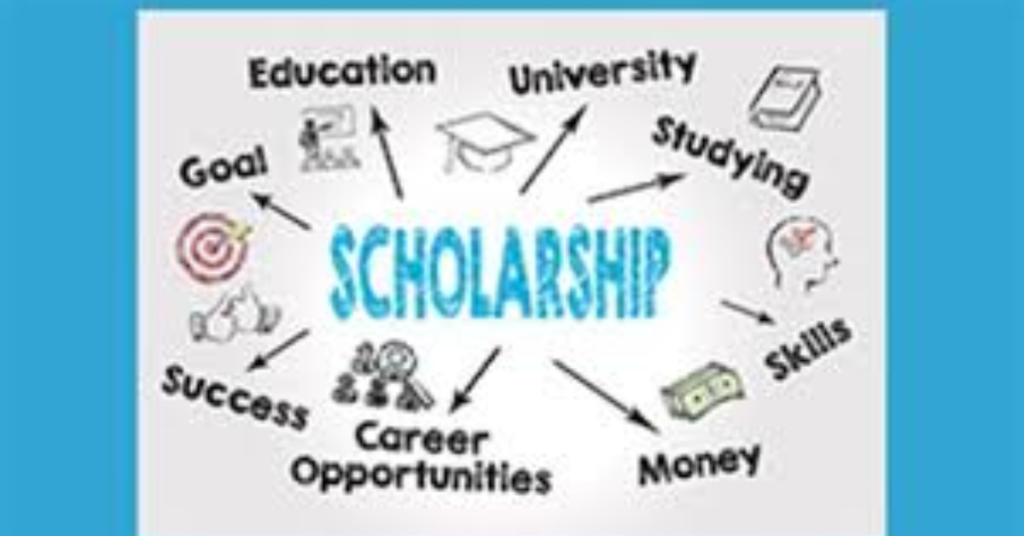
Scholarships serve as a vital lifeline for first-generation college students. Here are several reasons why these financial aids are crucial:
- Alleviating Financial Stress: Scholarships can significantly reduce the financial burden on students and their families, allowing them to concentrate on their studies rather than juggling multiple jobs.
- Increasing Accessibility: Financial assistance through scholarships makes higher education more attainable for students from underrepresented backgrounds, empowering them to pursue their academic goals.
- Promoting Persistence: Students who receive scholarships are often more likely to stay in school and complete their degrees, as their financial pressures are eased.
- Boosting Self-Confidence: Winning a scholarship can affirm a student’s capabilities, encouraging them to engage in leadership roles and extracurricular activities that enrich their educational experience.
- Establishing Support Networks: Many scholarship programs provide mentorship and additional resources, connecting first-generation students with mentors and peers who understand their unique challenges.
Types of Scholarships Available for First-Generation Students
Numerous scholarships specifically target first-generation college students. Here are some notable options:
1. Federal Scholarships and Grants
- Pell Grant: This need-based federal grant provides financial support to low-income students, including first-generation college students. Unlike loans, Pell Grants do not require repayment.
- Federal Supplemental Educational Opportunity Grant (FSEOG): This grant is awarded to students with exceptional financial need, offering additional funding to those who may not qualify for other federal aid.
2. State Scholarships
Many states provide scholarships specifically for first-generation students. Examples include:
- California Dream Act: This act enables undocumented and non-resident students to apply for state financial aid, including scholarships, specifically encouraging first-generation students to pursue higher education.
- Texas First Generation Scholarship: This scholarship supports first-generation students attending eligible institutions in Texas, helping to cover tuition and fees.
3. Institutional Scholarships
Numerous colleges and universities offer their own scholarships aimed at first-generation students, including:
- University-Specific Programs: Many institutions provide dedicated scholarships and support services for first-generation students, ensuring they have access to the resources they need.
- Need-Based Scholarships: Many colleges also offer need-based scholarships that prioritize students demonstrating financial hardship, often including first-generation students in their criteria.
4. Private Scholarships
Various organizations provide scholarships designed for first-generation college students. Notable options include:
- The Jack Kent Cooke Foundation: This foundation offers scholarships to high-achieving, low-income students, including first-generation college students, helping them attend top-tier institutions.
- The Horatio Alger Association Scholarship: This scholarship is tailored for students who have faced adversity and are pursuing a college education, with a specific focus on first-generation college students.
- The Gates Scholarship: This highly competitive scholarship provides comprehensive funding for exceptional minority students, including first-generation college students, to attend any accredited college in the U.S.
Strategies for Applying for Scholarships
The scholarship application process can feel overwhelming, especially for first-generation students. Here are some effective strategies to enhance your chances of success:
1. Conduct Thorough Research
Begin by researching various scholarship opportunities. Utilize online databases such as Fastweb, College Board Scholarship Search, and Cappex to find scholarships that align with your background and aspirations. Create a list of eligible scholarships, noting their deadlines and specific application requirements.
2. Gather Necessary Application Materials
Most scholarship applications require specific documents, such as:
- Transcripts: Provide academic transcripts that demonstrate your educational background and achievements.
- Letters of Recommendation: Reach out to teachers, counselors, or community leaders who can vouch for your character, achievements, and potential.
- Personal Statements or Essays: Many scholarships require an essay that reflects your personal journey, challenges, and aspirations. Tailor your essay to showcase your experience as a first-generation college student and the unique perspective it offers.
3. Emphasize Your Experiences
When applying for scholarships, highlight experiences that demonstrate resilience, leadership, and community engagement. Share specific challenges you’ve overcome, particularly those related to being a first-generation college student.
4. Adhere to Deadlines
Stay organized by creating a calendar to track scholarship deadlines. Aim to submit applications well before the due date to avoid last-minute issues. Double-check that all required materials are included.
5. Follow Up After Submissions
After submitting your applications, consider following up with scholarship committees to express gratitude and reiterate your interest. This not only demonstrates professionalism but can also leave a positive impression.
Conclusion
Scholarships for first-generation college students are essential in bridging the gap to higher education. By alleviating financial burdens, enhancing accessibility, and providing support networks, these scholarships empower students to pursue their academic and career goals. With thorough research, preparation, and determination, first-generation students can navigate the scholarship landscape effectively, unlocking opportunities that will transform their lives and futures.
As these students emerge as leaders in their families and communities, they pave the way for future generations, showcasing the transformative power of education. In a society where higher education serves as a key to success, scholarships for first-generation students stand as a beacon of hope and opportunity, illustrating that with support and perseverance, anything is possible.