The university application process can be both exciting and nerve-wracking, as it plays a significant role in shaping your academic and professional future. However, with the right preparation and strategies, you can navigate it smoothly. From selecting schools to crafting your personal statement, every step offers an opportunity to showcase your strengths. In this guide, we will cover essential tips that will help you enhance your application and improve your chances of getting accepted.
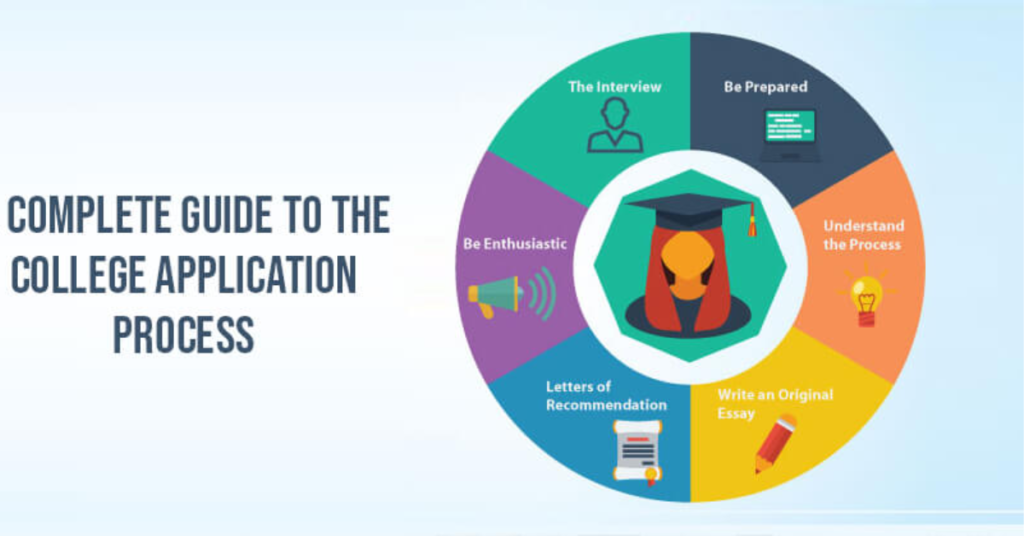
1. Start Early and Stay Organized
One of the most effective ways to reduce the stress of university applications is to start the process early. By beginning well in advance, you allow yourself time to:
- Conduct thorough research: Investigate potential universities carefully, taking into account factors like academic programs, campus life, location, and financial aid.
- Prepare documents: Academic transcripts, test scores, and letters of recommendation can take time to acquire. Make sure you have everything ready well before deadlines.
- Take standardized tests: If your universities require the SAT, ACT, or other exams, schedule them with plenty of time for preparation, retakes, and submitting scores.
To stay on top of things, create a timeline with important dates and deadlines, including submission deadlines, scholarship applications, and test dates. Staying organized from the outset will prevent you from missing key opportunities.
2. Research and Select the Right Universities
Selecting universities thoughtfully is critical to streamlining the application process. Categorize your options into:
- Safety schools: Institutions where your academic profile is stronger than the typical admitted student.
- Target schools: Universities where your credentials align with the average admitted student.
- Reach schools: More competitive institutions where admission may be a stretch but is still within reach.
When deciding where to apply, don’t just consider rankings. Look at the specific programs you are interested in, the campus environment, and even the location. These factors will play a role in your overall university experience.
3. Write a Compelling Personal Statement
Your personal statement is your chance to tell the admissions committee more about you—beyond your grades and test scores. To write a powerful essay, keep these tips in mind:
- Be authentic: Write from your own voice and experiences. Admissions officers want to get to know the real you, so avoid overly polished or impersonal writing.
- Share a personal story: Highlight a meaningful experience or challenge that has influenced your growth and shaped your future goals.
- Tailor it to each school: Customize your essay for each university by explaining why you are a good fit and how you will contribute to their community.
After writing your essay, be sure to edit and proofread it thoroughly. Mistakes can detract from the quality of your submission, so ask someone you trust, such as a teacher or friend, to review it for you.
4. Obtain Strong Letters of Recommendation
Letters of recommendation offer universities insight into your character and academic potential. Here are steps to ensure you secure strong letters:
- Select the right recommenders: Choose teachers, counselors, or employers who know you well and can speak positively about your academic and personal qualities.
- Request early: Teachers and counselors often get many requests, so asking early gives them plenty of time to write a thoughtful letter.
- Provide them with context: Share your resume or a list of your accomplishments with your recommenders. This will help them highlight your strengths effectively.
Remember to thank your recommenders after they’ve submitted their letters, and let them know how much you appreciate their support.
5. Highlight Extracurricular Activities
Universities value students who are not only academically strong but also involved in extracurricular activities. Here’s how to showcase your involvement effectively:
- Prioritize quality over quantity: Focus on a few activities that reflect your passions and dedication, rather than being superficially involved in many.
- Show leadership: Demonstrating leadership roles, whether as a team captain, club president, or organizer, will strengthen your application.
- Be passionate: Admissions committees are drawn to students who show passion and commitment in their pursuits, whether it’s athletics, the arts, or community service.
6. Understand Financial Aid and Scholarships
For many students, financial aid is a crucial factor in choosing a university. Make sure to:
- Submit the FAFSA early: The Free Application for Federal Student Aid (FAFSA) is the first step to securing federal aid, and many universities use it to determine their financial aid packages.
- Research scholarships: Scholarships can significantly reduce the cost of attendance. Look for scholarships offered by universities, private organizations, and community groups.
- Explore merit- and need-based aid: Some financial aid is based on academic achievements, while other aid is awarded based on financial need. Make sure you’re aware of the types of aid available at each university.
Having a good understanding of your financial situation and available aid will help you make informed decisions about where to apply and eventually enroll.
7. Prepare for Interviews
Some universities require interviews as part of their application process. Here’s how to excel in yours:
- Be yourself: Interviews give admissions officers the chance to see your personality, so be authentic and relaxed.
- Research the school: Be prepared to answer why you want to attend that particular university and how you would contribute to the campus community.
- Ask thoughtful questions: Show your interest in the university by asking insightful questions about the programs, student life, or academic opportunities.
Interviews are a great way to make a lasting impression, so prepare thoroughly and approach them with confidence.
8. Double-Check Application Details
Before submitting your application, it’s crucial to double-check everything. Ensure that:
- Test scores have been sent: Verify that your SAT, ACT, or other test scores have been sent to the universities.
- Transcripts are accurate: Confirm that your transcripts are complete and reflect your most recent grades.
- You’ve met all deadlines: Submitting your application ahead of the deadline reduces the risk of technical issues and demonstrates that you’re responsible and organized.
Conclusion
Applying to universities is a complex process that requires careful planning, dedication, and perseverance. By starting early, staying organized, and focusing on presenting your best self, you can navigate the application process with confidence. Remember, every step brings you closer to finding the right university for you, and the effort you put in now will pay off in the long run.