University tutoring programs serve as essential resources for students navigating the challenges of higher education. These programs not only provide academic assistance but also contribute to the overall development of students, equipping them with skills and confidence necessary for success. This article delves into the various aspects of university tutoring programs, covering their purpose, different types, benefits, challenges, and best practices for effective implementation.
The Purpose of University Tutoring Programs
At its essence, a university tutoring program aims to support students academically by providing them with additional resources and personalized assistance. These programs are designed to help students overcome academic hurdles, improve their understanding of complex subjects, and enhance their overall educational experience. The availability of tutoring services can significantly impact a student’s performance, especially in rigorous academic environments.
Different Types of Tutoring Programs
University tutoring programs can be categorized into several types, each addressing distinct student needs and learning styles. Here are some common forms of tutoring programs:
- Peer Tutoring
Peer tutoring involves students assisting one another. This method capitalizes on the relatability and camaraderie among students, making it easier for them to connect and communicate effectively. Peer tutors often provide insights and explanations that resonate with their fellow students. - Professional Tutoring
Professional tutoring involves qualified instructors or subject matter experts delivering academic support. This type of tutoring is particularly beneficial for complex subjects where specialized knowledge is required. Professional tutors bring a wealth of experience and teaching strategies that can aid student comprehension. - Drop-In Tutoring
Drop-in tutoring services allow students to seek help without the need for appointments. This flexible approach caters to students who may have sporadic needs for assistance, enabling them to get support as challenges arise. - Online Tutoring
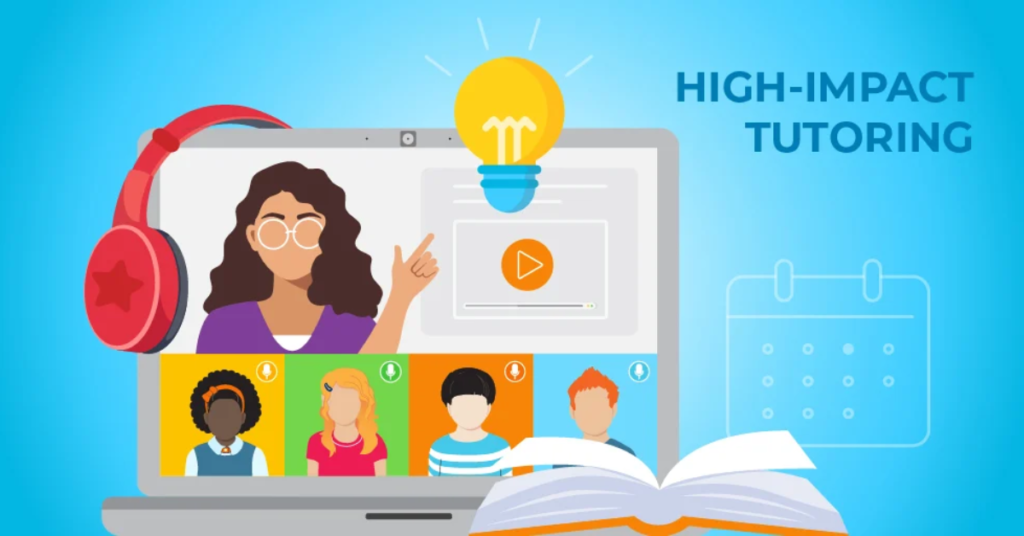
With the rise of technology, online tutoring has gained popularity. Virtual platforms allow students to access tutoring sessions remotely, providing convenience and flexibility, especially for those balancing various commitments or studying from distant locations. - Group Tutoring
Group tutoring sessions bring together students with similar academic challenges. This collaborative learning environment fosters peer interaction, encourages discussion, and helps students learn from one another’s perspectives.
Advantages of University Tutoring Programs
Implementing effective tutoring programs offers numerous benefits to students, contributing to their academic and personal development:
- Enhanced Academic Performance
One of the most significant benefits of tutoring programs is improved academic performance. Research consistently shows that students who participate in tutoring often achieve higher grades and demonstrate a better understanding of course material. - Increased Confidence
Regular tutoring helps bolster students’ confidence in their abilities. With tailored support, students become more willing to tackle challenging subjects and engage actively in their learning. - Development of Essential Skills
Tutoring programs teach not only subject-specific knowledge but also crucial study skills. Students learn effective time management, organizational techniques, and exam preparation strategies, which are vital for academic success. - Social Connection
Tutoring programs foster social interaction among students. By collaborating with peers and tutors, students can build support networks, which enhances their sense of belonging and community within the university. - Personalized Learning Experience
Tutoring allows for individualized instruction, addressing the unique learning styles and needs of each student. This personalized approach enhances understanding and retention of information.
Challenges in Implementing Tutoring Programs
Despite their benefits, university tutoring programs face several challenges that institutions must address:
- Resource Allocation
Effective tutoring programs require sufficient resources, including funding for hiring qualified tutors and developing training materials. Universities must prioritize these investments to ensure program success. - Recruitment and Training of Tutors
Identifying and recruiting skilled tutors is essential for program effectiveness. Universities must also provide comprehensive training to ensure tutors possess the necessary skills and strategies to support their peers. - Encouraging Student Participation
Some students may be hesitant to seek tutoring assistance due to stigma or embarrassment. Universities must create an inclusive atmosphere that emphasizes the benefits of tutoring and encourages students to take advantage of available resources. - Evaluating Program Effectiveness
Assessing the impact of tutoring programs can be complex. Universities need to establish reliable metrics to evaluate program success and identify areas for improvement based on student feedback and performance data.
Best Practices for Successful Tutoring Programs
To ensure the effectiveness of tutoring programs, universities should consider implementing the following best practices:
- Conduct Needs Assessments
Before launching a tutoring program, universities should perform a needs assessment to determine the specific areas where students require support. This can involve surveys, focus groups, and analysis of academic performance data. - Establish Clear Goals and Objectives
Setting clear goals and objectives provides direction for the tutoring program. By defining desired outcomes, universities can measure success and make informed adjustments. - Invest in Comprehensive Tutor Training
Effective training is crucial for tutors. Institutions should offer training programs that cover tutoring techniques, communication skills, and strategies for addressing diverse learning styles. - Promote Awareness and Accessibility
Actively promoting tutoring services is essential for increasing student participation. Universities should utilize orientation sessions, campus events, and marketing campaigns to raise awareness of available resources. - Leverage Technology
Integrating technology into tutoring programs can enhance accessibility and engagement. Online scheduling tools, interactive learning platforms, and digital resources can make tutoring more effective and convenient. - Regularly Evaluate and Improve
Ongoing evaluation of tutoring programs is vital for maintaining their effectiveness. Universities should regularly gather feedback from students, analyze performance data, and make necessary adjustments to improve services.
Conclusion
University tutoring programs are invaluable assets that significantly contribute to student success and academic achievement. By providing personalized support, fostering social connections, and promoting skill development, these programs enhance the overall university experience. However, institutions must address challenges related to resource allocation, tutor recruitment, and student participation to maximize their impact.
By implementing strategic planning, comprehensive training, and continuous evaluation, universities can establish robust tutoring programs that not only improve academic outcomes but also empower students to excel in their educational journeys. As higher education continues to evolve, prioritizing tutoring programs remains essential in fostering an inclusive and supportive learning environment.
In summary, university tutoring programs are crucial for promoting academic excellence and enhancing the overall student experience. By investing in these resources, universities demonstrate their commitment to student success and the importance of collaborative learning.